
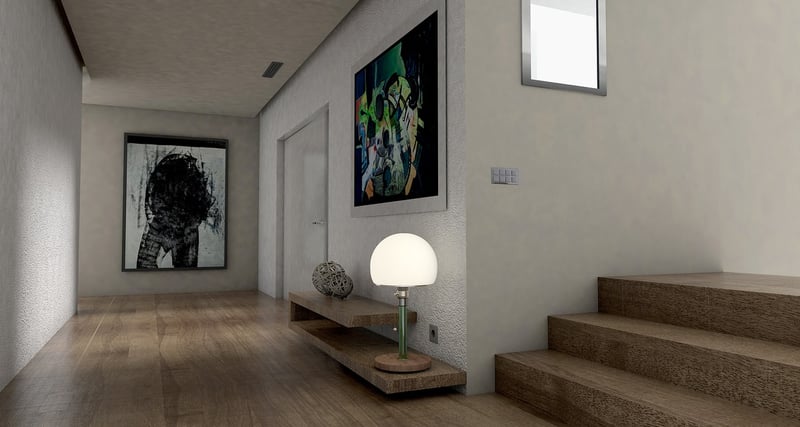
The Impact of Spatial Design on Exhibition Spaces
Exhibition spaces play a crucial role in showcasing art, culture, and ideas to the public. The design of these spaces can significantly impact how visitors engage with the exhibits on display. Spatial experiences within exhibition spaces are essential for creating a memorable and immersive journey for visitors.
Creating Immersive Environments
When designing exhibition spaces, architects and designers focus on creating immersive environments that captivate the senses. The layout, lighting, colors, and textures all contribute to the overall spatial experience. By carefully planning the spatial design, exhibition spaces can evoke specific emotions and create a lasting impact on visitors.
Guiding Visitor Flow
Effective spatial design also helps in guiding visitor flow through the exhibition space. Thoughtfully placed pathways, signage, and interactive elements can enhance the visitor experience and ensure that they engage with the exhibits in a meaningful way. By strategically designing the space, curators can control the narrative and storytelling of the exhibition.
Utilizing Technology
Technology plays a significant role in enhancing spatial experiences within exhibition spaces. Interactive displays, virtual reality experiences, and multimedia installations can transport visitors to different worlds and time periods, adding depth and dimension to the overall exhibition. Integrating technology with spatial design creates a dynamic and engaging environment for visitors.
Engaging Multiple Senses
Great exhibition spaces go beyond visual displays and engage multiple senses to create a truly immersive experience. Incorporating elements like soundscapes, scents, and tactile materials can evoke powerful emotions and memories, making the exhibition more impactful and memorable for visitors.
Conclusion
In conclusion, the impact of spatial design on exhibition spaces is profound. By creating immersive environments, guiding visitor flow, utilizing technology, and engaging multiple senses, exhibition spaces can offer visitors a transformative and unforgettable experience. The careful integration of spatial design with the exhibition content is key to creating meaningful connections with the audience.

Explore the power of spatial design in exhibition spaces and discover a new way to experience art, culture, and ideas.
For more information on exhibition spaces and spatial design, visit MoMA.